


Understanding Different Types of Orchids for Your Home Garden
- Stephanie Lucas

- Sep 15, 2025
- 3 min read
Orchids are among the most diverse and visually striking plants worldwide, showcasing a vast array of colors, shapes, and sizes. For plant enthusiasts, knowing about the different types of orchids can elevate your gardening experience. This guide will explore some popular varieties, their specific care needs, and how to successfully integrate them into your home garden.
The Fascinating World of Orchids
Orchids belong to the family Orchidaceae, which boasts over 25,000 species and more than 100,000 hybrids. This diversity makes orchids a favorite among plant lovers and collectors. They thrive in various habitats, except for extreme deserts and polar regions, making them extremely versatile.
Orchids captivate not only with their flowers but also with how they grow. For example, some species, like the Epiphytic orchids, grow on trees, while others, like terrestrial orchids, grow in the ground. Understanding their growth habits is key to creating a suitable home environment.
Phalaenopsis Orchids
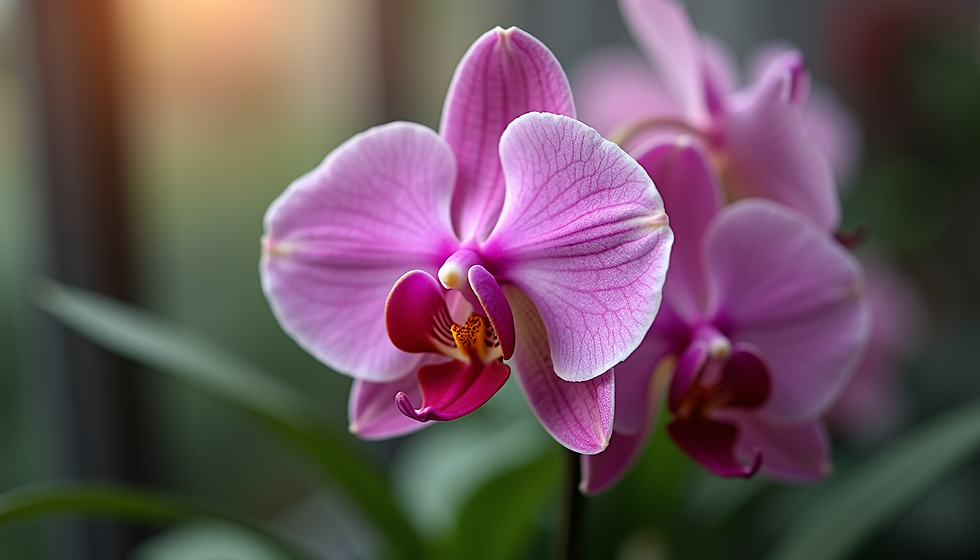
Phalaenopsis, often known as moth orchids, are one of the most beginner-friendly orchids. Their broad, flat flowers, which can last for several months, resemble moths in flight.
Care Requirements
Phalaenopsis orchids flourish in bright, indirect light and prefer temperatures between 65°F and 75°F. A well-draining potting mix, typically composed of bark or sphagnum moss, is essential. Watering should be done when the top inch of the potting medium feels dry, usually every 1-2 weeks.
Example: If your home tends to be dry in winter, consider moving your Phalaenopsis to a location where it can benefit from the humidity of a kitchen or bathroom. You can also provide extra humidity by using a humidity tray or diffuser.

Cattleya Orchids
Cattleya orchids are celebrated for their large, fragrant flowers, which are often used in corsages. They come in vibrant colors like pink, purple, and yellow.
Care Requirements
Cattleya orchids prefer bright light and should be kept in temperatures ranging from 70°F to 85°F during the day and slightly cooler at night. They thrive in a well-aerated potting mix and should be watered thoroughly, allowing the medium to dry out between waterings.
Interesting Fact: Cattleya orchids can produce an abundance of blooms—sometimes up to 20 flowers per stem.

Dendrobium Orchids
Dendrobium orchids are favored by many enthusiasts for their tall, slender stems and clusters of flowers in diverse colors.
Care Requirements
Dendrobium orchids thrive in bright, indirect light with a temperature range of 65°F to 80°F. A well-draining potting mix is crucial. Water them when the medium feels dry, and remember that these orchids benefit from a dormant period when they should be kept cooler and drier to encourage blooming.
Example: After the flowers drop, reduce watering frequency to stimulate the plant's dormancy phase.
Oncidium Orchids
Oncidium orchids, commonly called dancing lady orchids, are recognized for their charming flower shapes and patterns. They produce many small flowers on tall spikes, creating an eye-catching display.
Care Requirements
Oncidium orchids also prefer bright, indirect light and thrive in temperatures between 65°F and 80°F. Water when the top inch of the medium feels dry, and regular fertilization during the growing season can enhance growth and blooms.
Statistic: Oncidium orchids can produce up to 50 flowers per spike, making them a stunning addition to any collection.
Vanda Orchids
Vanda orchids are known for their impressive, large flowers and are often grown in hanging baskets. They are well-suited to experienced growers due to their specific care needs.
Care Requirements
These orchids thrive in bright, direct light and prefer warm temperatures, generally between 75°F and 90°F. Vanda orchids need a well-draining potting mix and should be watered frequently, as they dry out quickly. Regular misting can help maintain necessary humidity levels.
Example: Vanda orchids thrive in climates with higher humidity. If you live in a drier area, consider adding a humidifier near your plants.
Essential Tips for Growing Orchids at Home
Choose the Right Location: Orchids thrive in bright, indirect light. Avoid direct sunlight, which can scorch their leaves.
Monitor Humidity: Orchids prefer humidity levels between 40% and 70%. Using a humidity tray or a humidifier can maintain a suitable environment.
By following these tips and understanding each orchid’s particular needs, you can enjoy a diverse and beautiful collection in your home garden. Each orchid variety brings its unique charm and beauty, enhancing your space and providing a rewarding gardening experience.
Happy Gardening!


Comments